This past weekend I pulled my Turtle (small camper) down to the Horse First Farm in Brooklyn WI for the Holistic Horse Fair. I had reserved a booth space for my books and to do some storytelling about First Peace.
The horse fair was a very nice one. I've been to larger horse fairs, like the ones in Madison and Minneapolis, but this one was different. At the larger horse fairs, there are many more people, thousands of people in fact. However, as a vendor, I sat and watched them walk by like zombies, heads bowed, feet shuffling, no smiles. It was actually quite depressing.
At the Holistic Horse Fair it was the opposite. People came and walked around looking at things, talking with people, and smiling.
Could it be that when you claim a holistic, and more natural approach to your relationship with your horse, it changes your whole outlook on life? I think so.
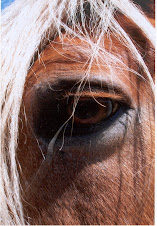
The fair closed Sunday at 5 p.m. and the vendors all packed up and left. I was staying on the property in my camper until the next day. As I walked around, the silence had a lonely quality to it. As I stopped and said hello to the horses, and opened to the beauty of the fall colors and the smell of the earth, that loneliness faded away.
It is the transition from two days of busy and interaction with other humans, to an evening of solitude and silent community with the land and the horses. A lovely experience.
"True presence is the doorway to the great mystery."
I'm glad I opened that doorway.
Wednesday, September 29, 2010

Wednesday, September 22, 2010
Learning his 'umwelt'
I stand shivering in the dew-covered grass of evening, while my dog Rocky excitedly sniffs each blade of grass and piece of dirt. The leash in my hand pulls taut when Rocky reaches for a new smell, just out of the boundary of his confinement.
“Rocky, we’re out here to do your business,” I remind him.
A noise catches his attention and Rocky strains against me, panting and looking out into the hayfield. I can hear a deer shuffling across the high grass of the field. When the deer breaks into a run, Rocky jumps straight up and begins to bark.
“OK, we may as well go back in,” I say.
Obviously, no “business” will be conducted on this trip. Rocky and I had different agendas. Mine was to go out for some quick, before-bed dog business, and Rocky’s was a thorough investigation of the yard and potential romp through the woods.
I blame his “umwelt.”
Umwelt is a new term in my vocabulary thanks to the book I’m reading, “Inside of a Dog” by Alexandra Horowitz. She describes the dog’s umwelt as “their self world,” or “what life is like as the dog.”
Horowitz has a PhD in cognitive science and has studied dogs and other animals. Her book takes us into the umwelt of the dog, from its serious sense of smell to whether or not the dog understands the concept of right and wrong.
Horowitz contends that dogs understand humans much better than humans understand dogs. She attributes this to the dog’s continual observation of those humans in his life. Dogs watch us constantly. They understand minute movements in our expressions and habits that we may not be aware we are enacting. This level of attention allows the dog to read us like a psychic with a crystal ball.
Since reading this book, I’ve been paying more attention to the motions I make and what reaction I get from Rocky when I do them.
For example, all I have to do is move my hand toward my pocket, whether it be pants pocket or coat pocket, and I have Rocky’s attention. He has not only figured out that my hand in my pocket means a treat, but he knows the slightest motion of my hand toward my pocket is a good sign of the same intention. This works great when my intention is to give him a treat, but not so great when all I want to do is warm up my hand. Either way, I have a dog in front of me with an expectant look on his face.
I don’t think he believes me when I explain there are no treats in the pocket this time. I get “the look,” as if he knows I’m withholding something that is rightfully his.
Horowitz also gives advice on how to have a smoother relationship with your dog.
Many people take their dogs for walks, but are we walking for our benefit, or for the dog’s? From the dog’s point of view, or umwelt, a walk doesn’t have to be all the way around the block at a brisk pace. Most often, the dog would prefer what Horowitz calls a “smell walk.” A smell walk allows the dog to stop wherever he wants and sniff for as long as it takes to get the information he needs from the scent. Even if you only get 100 feet away and come back, to the dog, it’s a successful walk if he now knows all the dog gossip of that 100 feet. Pulling the dog along before his investigation is complete is like walking past a table at a restaurant and hearing, “and then the greatest thing happened when….’”
We are left forever wondering what that greatest thing was, just as the dog is left wondering when we pull him away from the local fire hydrant.
Sunday was a beautiful fall day to experiment with a smell walk. My husband and I took Rocky and Lisha for a walk on a wooded trail behind our farm. I observed the difference between Rocky’s idea of a walk and Lisha’s. Lisha is a hound mix and runs along the trail with her nose down. Rocky likes a good sniff too, but he is more apt to run along the trail with his eyes up. Rocky is more of a seeing and hearing dog, especially when it comes to squirrels and birds. So instead of stopping to let Rocky get the entire sniff message, I found myself stopping while he focused his eyes and ears on things in the woods. Different dog, different umwelt.
Horowitz also urges humans to learn to accept their canine companion’s “dogness.”
We often bring a dog into our home and expect the dog to act like a small human, when what they know how to do so well is to act like a dog.
I learned this lesson from my sister’s Alaskan malamute, Raven. Some time ago, my sister was having “trouble” with Raven and asked me to speak with him. Since I do animal communication, I was happy to oblige. Raven explained his problem.
“I’m a big dog,” he said. “She needs to let me be a big dog.”
Yes, Raven is a big dog, and as a big dog sometimes he doesn’t fit in tight places. He has a loud bark and a need to explain himself in lengthy terms. He takes up space when he lies in the middle of a room and he dribbles water from his lengthy chin when he drinks.
Now, I am trying to understand the world from the point of view of my German shepherd/herder mix Rocky. I need to understand Rocky’s dogness.
Rocky has energy and curiosity. Rocky loves to run and to herd things. This means I can’t expect Rocky to lie around in the yard unsupervised and be content like my dog Lisha does. Rocky needs something to do. I can either provide that something, or I can learn to not complain when Rocky finds something to do on his own. Preferred activities in Rocky’s mind could involve following the trail of a porcupine, chasing deer, visiting the neighbors, or rolling on a dead mouse for an hour.
Understanding his “dogness” has led me to rethink my meaning of good dog and bad dog. I’m seeing that to punish a dog for being a dog does not make a good human/dog relationship. I need to save my discipline for the really serious infractions, like biting or doing business in the house. For the smaller annoyances, re-directing Rocky’s enthusiasm works better than discipline.
“A complex animal cannot be explained simply,” says Horowitz.
Indeed.
“Rocky, we’re out here to do your business,” I remind him.
A noise catches his attention and Rocky strains against me, panting and looking out into the hayfield. I can hear a deer shuffling across the high grass of the field. When the deer breaks into a run, Rocky jumps straight up and begins to bark.
“OK, we may as well go back in,” I say.
Obviously, no “business” will be conducted on this trip. Rocky and I had different agendas. Mine was to go out for some quick, before-bed dog business, and Rocky’s was a thorough investigation of the yard and potential romp through the woods.
I blame his “umwelt.”
Umwelt is a new term in my vocabulary thanks to the book I’m reading, “Inside of a Dog” by Alexandra Horowitz. She describes the dog’s umwelt as “their self world,” or “what life is like as the dog.”
Horowitz has a PhD in cognitive science and has studied dogs and other animals. Her book takes us into the umwelt of the dog, from its serious sense of smell to whether or not the dog understands the concept of right and wrong.
Horowitz contends that dogs understand humans much better than humans understand dogs. She attributes this to the dog’s continual observation of those humans in his life. Dogs watch us constantly. They understand minute movements in our expressions and habits that we may not be aware we are enacting. This level of attention allows the dog to read us like a psychic with a crystal ball.
Since reading this book, I’ve been paying more attention to the motions I make and what reaction I get from Rocky when I do them.
For example, all I have to do is move my hand toward my pocket, whether it be pants pocket or coat pocket, and I have Rocky’s attention. He has not only figured out that my hand in my pocket means a treat, but he knows the slightest motion of my hand toward my pocket is a good sign of the same intention. This works great when my intention is to give him a treat, but not so great when all I want to do is warm up my hand. Either way, I have a dog in front of me with an expectant look on his face.
I don’t think he believes me when I explain there are no treats in the pocket this time. I get “the look,” as if he knows I’m withholding something that is rightfully his.
Horowitz also gives advice on how to have a smoother relationship with your dog.
Many people take their dogs for walks, but are we walking for our benefit, or for the dog’s? From the dog’s point of view, or umwelt, a walk doesn’t have to be all the way around the block at a brisk pace. Most often, the dog would prefer what Horowitz calls a “smell walk.” A smell walk allows the dog to stop wherever he wants and sniff for as long as it takes to get the information he needs from the scent. Even if you only get 100 feet away and come back, to the dog, it’s a successful walk if he now knows all the dog gossip of that 100 feet. Pulling the dog along before his investigation is complete is like walking past a table at a restaurant and hearing, “and then the greatest thing happened when….’”
We are left forever wondering what that greatest thing was, just as the dog is left wondering when we pull him away from the local fire hydrant.
Sunday was a beautiful fall day to experiment with a smell walk. My husband and I took Rocky and Lisha for a walk on a wooded trail behind our farm. I observed the difference between Rocky’s idea of a walk and Lisha’s. Lisha is a hound mix and runs along the trail with her nose down. Rocky likes a good sniff too, but he is more apt to run along the trail with his eyes up. Rocky is more of a seeing and hearing dog, especially when it comes to squirrels and birds. So instead of stopping to let Rocky get the entire sniff message, I found myself stopping while he focused his eyes and ears on things in the woods. Different dog, different umwelt.
Horowitz also urges humans to learn to accept their canine companion’s “dogness.”
We often bring a dog into our home and expect the dog to act like a small human, when what they know how to do so well is to act like a dog.
I learned this lesson from my sister’s Alaskan malamute, Raven. Some time ago, my sister was having “trouble” with Raven and asked me to speak with him. Since I do animal communication, I was happy to oblige. Raven explained his problem.
“I’m a big dog,” he said. “She needs to let me be a big dog.”
Yes, Raven is a big dog, and as a big dog sometimes he doesn’t fit in tight places. He has a loud bark and a need to explain himself in lengthy terms. He takes up space when he lies in the middle of a room and he dribbles water from his lengthy chin when he drinks.
Now, I am trying to understand the world from the point of view of my German shepherd/herder mix Rocky. I need to understand Rocky’s dogness.
Rocky has energy and curiosity. Rocky loves to run and to herd things. This means I can’t expect Rocky to lie around in the yard unsupervised and be content like my dog Lisha does. Rocky needs something to do. I can either provide that something, or I can learn to not complain when Rocky finds something to do on his own. Preferred activities in Rocky’s mind could involve following the trail of a porcupine, chasing deer, visiting the neighbors, or rolling on a dead mouse for an hour.
Understanding his “dogness” has led me to rethink my meaning of good dog and bad dog. I’m seeing that to punish a dog for being a dog does not make a good human/dog relationship. I need to save my discipline for the really serious infractions, like biting or doing business in the house. For the smaller annoyances, re-directing Rocky’s enthusiasm works better than discipline.
“A complex animal cannot be explained simply,” says Horowitz.
Indeed.
Wednesday, September 8, 2010
Cooking vs. knitting
Previously I mentioned watching the movie 'Julie and Julia', in which a woman vowed to cook every recipe in Julia Child's cookbook. Since then, I've been looking for a similar challenge, just for fun. This weekend, I picked my challenge, knitting.
I received a book titled "Viva Poncho' as a gift. It has 20 patterns for ponchos, capes and capelets. I have decided to knit every pattern in that book over the next year. I have a head start as I've already knit four of the patterns.
I'm sure there were some recipes Julie had to cook that she didn't especially like, but doing 'all' of them doesn't let you pick and choose. Similarly, there are a few patterns in the Viva Poncho book that aren't to my taste. For these, I will have to chose a prettier yarn, or a different texture to make the finished piece better.
I wonder if Julie substituted different ingredients in Julia's recipes? Is this cheating? or is it being creative?
In the movie, the woman kept a blog about her cooking. I suppose I could do that, but knitting isn't always as exciting as cooking. It's more of a meditative activity for me. I can imagine boring blog posts like "Today I knit two rows."
Of course, there will probably be some exciting times, like "today I had to rip out three inches.'
However, I suppose I will offer photos here of the finished projects, and an occasional post about my progress.
To start with, I am knitting a one-piece poncho called Carson. I am using Cascade 220 in a dark green heather and size five needles. This one will take a while, but it is the one that I have kept going back to the book to look at, wanting to make it.
At the very least, this project will help me put a dent in my overflowing yarn stash.
I received a book titled "Viva Poncho' as a gift. It has 20 patterns for ponchos, capes and capelets. I have decided to knit every pattern in that book over the next year. I have a head start as I've already knit four of the patterns.
I'm sure there were some recipes Julie had to cook that she didn't especially like, but doing 'all' of them doesn't let you pick and choose. Similarly, there are a few patterns in the Viva Poncho book that aren't to my taste. For these, I will have to chose a prettier yarn, or a different texture to make the finished piece better.
I wonder if Julie substituted different ingredients in Julia's recipes? Is this cheating? or is it being creative?
In the movie, the woman kept a blog about her cooking. I suppose I could do that, but knitting isn't always as exciting as cooking. It's more of a meditative activity for me. I can imagine boring blog posts like "Today I knit two rows."
Of course, there will probably be some exciting times, like "today I had to rip out three inches.'
However, I suppose I will offer photos here of the finished projects, and an occasional post about my progress.
To start with, I am knitting a one-piece poncho called Carson. I am using Cascade 220 in a dark green heather and size five needles. This one will take a while, but it is the one that I have kept going back to the book to look at, wanting to make it.
At the very least, this project will help me put a dent in my overflowing yarn stash.
Three wheels and a big dog
Like many people, I spent Labor Day weekend in a campground, Brunet Island State Park. It was the annual Grandma’s Camping Weekend, when my sister Linda, her daughter Sarah and my grandbaby Wren get together for a girls only camping adventure.
We all met at the campground on Thursday afternoon. Brunet Island State Park is a beautiful place near Cornell, surrounded by the Chippewa River. The campground is filled with large hemlocks, maples and other trees, squirrels, deer and several raccoons.
When we arrived, there was only one other camper in the southern part of the campgrounds were we had our space reserved. All the other campsites were tagged as reserved, but we were the only ones who braved the cold and rain on that night. A few more stragglers came in during the continued rain on Friday, and by Saturday, when the rain stopped, the campground began to fill up.
Most campsites were quite similar. Standard equipment was usually a pull-behind camper and some sort of recreational equipment like bikes, canoes, or kayaks. Quite a few campers brought the family dog along. Add a fire ring and a picnic table and you have a typical camp setup. Families gather by the fire and chat while the children ride the bikes or search the nearby woods for treasures. Meals are cooked over the fire and eaten at the picnic table.
Our campsite was similar, with a few exceptions that drew curious campers to either stop by or walk by with their necks craned in our direction.
We had three wheels and a big dog.
The three wheels I’m referring to weren’t on the camper, or the SUV that pulled it. These were spinning wheels. My sister, my niece and I are all into fiber. We knit, weave and spin. So, for grandma’s camping weekend, we each brought our spinning wheel. While the other campers were hiking or canoeing, we were sitting around our campfire spinning fiber into yarn.
On occasion, I’d bring out my hand drum or native flute and add some music to the mix.
It wasinteresting to watch, out the corner of my eye, as the neighboring campers passed by. Conversations stopped, heads turned, and some people stopped walking to watch. We smiled and greeted them, and kept spinning. Children pointed and asked the grown-ups what we were doing. Dogs shifted their noses in our direction, sniffing the scent of sheep coming off my freshly carded fiber.
One woman was brave and came into our campsite with her husband.
“I’ve always wanted to learn how to spin,” she said. “When I retire and have more time, I’m going to try it.”
“Here, sit down and try it now,” offered my sister.
The woman sat down and had a mini-spinning lesson while her husband watched. I walked over and talked to the man about his dog, trying to keep him occupied.
“I may need to go walk the dog and come back later,” he said, obviously sensing his wife’s pre-occupation.
She spun for a bit, then returned to her husband, vowing to visit a fiber fair soon to try out different kinds of spinning wheels. I explained that she should be prepared to learn to knit or crochet so she had something to do with all the yarn she would be making. I didn’t tell her about the urge to buy a loom and learn weaving too. We’ll let her discover that one later, once she has the full fiber addiction.
There were those passers-by who seemed uninterested in the spinning project. However, most of them offered comments on “that big dog.”
My sister has an Alaskan Malamutenamed Raven. He is probably only about 80 pounds, but when you add in all of his soft, fluffy fur, he looks like about 140 pounds. His feet are as big as the palm of my hand.
“That’s such a beautiful dog.”
“Is that a husky?”
“Mommy, look at that dog.”
These were some of the comments we were used to. Raven is a friendly dog and his older age means he’s not as exuberant as younger dogs. He doesn’t jump on people or bark much, so he’s a perfect dog for curious people.
On occasion, we would need to get up from our spinning and take Raven and Wren for a walk, giving the campers in the farther out sites a chance to marvel at ‘the big dog.’
Wren is three years old, so she had her occasional ‘melt downs,’ which is what we call a bought of temper. However, with all the other children in camp, melt downs were a common occurrence all over, nothing to draw anyone’s attention.
It was the three wheels and the big dog that added a different twist to the weekend.
We all met at the campground on Thursday afternoon. Brunet Island State Park is a beautiful place near Cornell, surrounded by the Chippewa River. The campground is filled with large hemlocks, maples and other trees, squirrels, deer and several raccoons.
When we arrived, there was only one other camper in the southern part of the campgrounds were we had our space reserved. All the other campsites were tagged as reserved, but we were the only ones who braved the cold and rain on that night. A few more stragglers came in during the continued rain on Friday, and by Saturday, when the rain stopped, the campground began to fill up.
Most campsites were quite similar. Standard equipment was usually a pull-behind camper and some sort of recreational equipment like bikes, canoes, or kayaks. Quite a few campers brought the family dog along. Add a fire ring and a picnic table and you have a typical camp setup. Families gather by the fire and chat while the children ride the bikes or search the nearby woods for treasures. Meals are cooked over the fire and eaten at the picnic table.
Our campsite was similar, with a few exceptions that drew curious campers to either stop by or walk by with their necks craned in our direction.
We had three wheels and a big dog.
The three wheels I’m referring to weren’t on the camper, or the SUV that pulled it. These were spinning wheels. My sister, my niece and I are all into fiber. We knit, weave and spin. So, for grandma’s camping weekend, we each brought our spinning wheel. While the other campers were hiking or canoeing, we were sitting around our campfire spinning fiber into yarn.
On occasion, I’d bring out my hand drum or native flute and add some music to the mix.
It wasinteresting to watch, out the corner of my eye, as the neighboring campers passed by. Conversations stopped, heads turned, and some people stopped walking to watch. We smiled and greeted them, and kept spinning. Children pointed and asked the grown-ups what we were doing. Dogs shifted their noses in our direction, sniffing the scent of sheep coming off my freshly carded fiber.
One woman was brave and came into our campsite with her husband.
“I’ve always wanted to learn how to spin,” she said. “When I retire and have more time, I’m going to try it.”
“Here, sit down and try it now,” offered my sister.
The woman sat down and had a mini-spinning lesson while her husband watched. I walked over and talked to the man about his dog, trying to keep him occupied.
“I may need to go walk the dog and come back later,” he said, obviously sensing his wife’s pre-occupation.
She spun for a bit, then returned to her husband, vowing to visit a fiber fair soon to try out different kinds of spinning wheels. I explained that she should be prepared to learn to knit or crochet so she had something to do with all the yarn she would be making. I didn’t tell her about the urge to buy a loom and learn weaving too. We’ll let her discover that one later, once she has the full fiber addiction.
There were those passers-by who seemed uninterested in the spinning project. However, most of them offered comments on “that big dog.”
My sister has an Alaskan Malamutenamed Raven. He is probably only about 80 pounds, but when you add in all of his soft, fluffy fur, he looks like about 140 pounds. His feet are as big as the palm of my hand.
“That’s such a beautiful dog.”
“Is that a husky?”
“Mommy, look at that dog.”
These were some of the comments we were used to. Raven is a friendly dog and his older age means he’s not as exuberant as younger dogs. He doesn’t jump on people or bark much, so he’s a perfect dog for curious people.
On occasion, we would need to get up from our spinning and take Raven and Wren for a walk, giving the campers in the farther out sites a chance to marvel at ‘the big dog.’
Wren is three years old, so she had her occasional ‘melt downs,’ which is what we call a bought of temper. However, with all the other children in camp, melt downs were a common occurrence all over, nothing to draw anyone’s attention.
It was the three wheels and the big dog that added a different twist to the weekend.
Wednesday, August 25, 2010
I must be insane...
...at least when it comes to knitting. Yes, my yarn stash is the size of a major football stadium, but that isn't the only reason I'm insane.
I just completed knitting an Einstein coat. It is gorgeous and it took a long time. If you don't know what an Einstein coat is, it is a wool coat knitted entirely with the knit stitch (no purl or cables, etc.) They call it Einstein because when you are done it looks like it was hard, but it's not. However, it takes a long time.
Upon completion of that project, I went back to working on the Frog Tree Origami Sweater I started last year. Again, it's all one stitch. This time it is K1P1 ribbing. The concept is a knitted rectangle 65" long and about 2 foot wide in this ribbing. Then you knit another rectangle, not as long or wide and fold the two together to make a sweater.
All that ribbing takes quite a while to knit.
This week, I got out some Cascade 220 I've had for a while, dark green heather, very nice. And, I started to knit a poncho using size 5 needles. All knit stitch.
Again, it will take a long time to complete.
And, I'm contemplating another project of a lace shawl.
I must be insane to have four long knitting projects going at one time. But, my scheme is to alternate between projects so no one project can get boring.
Of course, there's always the prospect that all four of them get boring as a whole. Then I'd have to start number five....
I just completed knitting an Einstein coat. It is gorgeous and it took a long time. If you don't know what an Einstein coat is, it is a wool coat knitted entirely with the knit stitch (no purl or cables, etc.) They call it Einstein because when you are done it looks like it was hard, but it's not. However, it takes a long time.
Upon completion of that project, I went back to working on the Frog Tree Origami Sweater I started last year. Again, it's all one stitch. This time it is K1P1 ribbing. The concept is a knitted rectangle 65" long and about 2 foot wide in this ribbing. Then you knit another rectangle, not as long or wide and fold the two together to make a sweater.
All that ribbing takes quite a while to knit.
This week, I got out some Cascade 220 I've had for a while, dark green heather, very nice. And, I started to knit a poncho using size 5 needles. All knit stitch.
Again, it will take a long time to complete.
And, I'm contemplating another project of a lace shawl.
I must be insane to have four long knitting projects going at one time. But, my scheme is to alternate between projects so no one project can get boring.
Of course, there's always the prospect that all four of them get boring as a whole. Then I'd have to start number five....
Thursday, August 12, 2010
Where do you come from?
This past weekend I listened to a talk by a man who was adopted at birth. After his parent's death, he discovered that his mother was Sioux and he was united with his birth family of brothers and sisters. He went on to explain how learning of his native heritage had influenced his life.
There is much interest these days about geneology, many internet sites and books about the topic.
Personally, I know half of my story. My grandmother on my father's side did a complete geneology of our family, going back to Norway in the 1700s.
On my mother's side is where the mystery begins. My grandfather was a storyteller and when asked about his past, he would tell many stories, but no one can say which are true and which were embellished. We have no documentation of his past other than there is some German in there somewhere.
Knowing where you came from can help you understand more about your family's traditions, habits, and idiosyncracies. It can explain why you have a certain hair color or facial features. It can help you understand your medical history.
But, it can also do other things.
It can limit you by putting you into a mold of your past.
It can create discrimination by separating you from others.
It can create exclusionism by causing groups to separate themselves.
People may want to know where they came from so they know where they fit in.
I know where I came from. I came from the mother earth. I came from earth, water, wind and fire. I came from the same place every other human on this planet came from.
Which brings us to another question.
Where are you going?
We are all going to the same place, back to our mother earth when we die. It's not where you came from that matters. It's the journey you take before you go back that is the whole reason we are here.
We are all one family, from one source. We all have indigenous roots if we can trace them back far enough. We all have cave man ancestors who sat around the fire and told stories of where they came from.
Perhaps in times to come, someone will trace their ancestry back to us and marvel in the fact that they are part 'earthling.'
There is much interest these days about geneology, many internet sites and books about the topic.
Personally, I know half of my story. My grandmother on my father's side did a complete geneology of our family, going back to Norway in the 1700s.
On my mother's side is where the mystery begins. My grandfather was a storyteller and when asked about his past, he would tell many stories, but no one can say which are true and which were embellished. We have no documentation of his past other than there is some German in there somewhere.
Knowing where you came from can help you understand more about your family's traditions, habits, and idiosyncracies. It can explain why you have a certain hair color or facial features. It can help you understand your medical history.
But, it can also do other things.
It can limit you by putting you into a mold of your past.
It can create discrimination by separating you from others.
It can create exclusionism by causing groups to separate themselves.
People may want to know where they came from so they know where they fit in.
I know where I came from. I came from the mother earth. I came from earth, water, wind and fire. I came from the same place every other human on this planet came from.
Which brings us to another question.
Where are you going?
We are all going to the same place, back to our mother earth when we die. It's not where you came from that matters. It's the journey you take before you go back that is the whole reason we are here.
We are all one family, from one source. We all have indigenous roots if we can trace them back far enough. We all have cave man ancestors who sat around the fire and told stories of where they came from.
Perhaps in times to come, someone will trace their ancestry back to us and marvel in the fact that they are part 'earthling.'
Wednesday, August 11, 2010
Julia Child vs. church cookbook
Recently, I watched the movie “Julie and Julia,” about a young woman who pledges to cook every recipe in Julia Child’s book “Mastering the Art of French Cooking.” She gives herself a year to accomplish this task, meaning 536 recipes in 365 days. The movie was fun, and if you haven’t seen it, I recommend it.
I commend the woman in the story for her perseverance in the task. Personally, I would have a few obstacles on this type of journey:
What do I do with the leftovers? If I cooked 536 recipes in 365 days, that would mean cooking something new every day. In the movie, it was just her and her husband eating these meals. Of course they had the occasional dinner party, but as a matter of day-to-day eating, that’s a lot of food. My refrigerator isn’t very big. Where will I put all the foil covered plates, Ziploc bags and Tupperware?
Who will do all the dishes? We never see her or her husband doing dishes in the movie. We see scenes of her in the kitchen, but never piles of pots and pans stacked up in the sink. And we know she didn’t have domestic help because that was part of the charm of Child’s book, which was written for women who did not have servants. My problem is, I can’t cook in a dirty kitchen. Before I start any cooking endeavor, I must clean all the counters and do the dishes.
With 536 recipes, there must be a few that will not appeal to everyone. Do you make those anyway? What about allergies? Personally, I’m allergic to hard-shell seafood. Do I still need to make the lobster dishes?
How do I find all those fancy ingredients? This woman lived in New York and had numerous markets to shop from. Here in the northland, if they don’t have it at the local grocery store, I’m out of luck. Though during the summer, the local farmer’s markets are a good source for some unusual finds. I have yet to see live lobster or whole ducks.
When my grandmother passed away, I inherited her collection of church cookbooks. It would be interesting to try this challenge with one of them. These recipes are “old school.” They call for things that are not commonly found in today’s kitchens such as lard and sorghum. Quite a few of these women cooked like my mother did, adding a “pinch” of this or a “smidgeon” of that. They also gave instructions like “cook until done,” or “add spices to taste.”
I took a sentimental journey through grandma’s Country CookBook from the Halfway Creek Lutheran Church, 1971.
The first recipe in the book is for rommegrot, which is comprised of rich cream, milk, salt and flour. Then there’s Berline kranser with the only ingredients being butter, sugar, flour and egg yolks. This recipe is supposed to make over 100 cookies. After these delicacies comes brabakkels with eggs, sugar and brandy (add a bit of flour to roll out thin). I’m starting to see a pattern here.
I flipped the pages to the main dish section to find a collection of recipes for casseroles, hot dishes and meat loaf. A recipe called 7-course dinner includes potatoes, carrots, hamburger, onion, rice and tomatoes all combined into a casserole.
The salad section includes a lot of fruit, jello and cottage cheese.
This is a far cry from “Mastering the Art of French Cooking.” It’s more like “Mastering the Art of Blocked Arteries.”
However, my grandmother used the cookbook (I know this by the pencil notes she wrote in the margins and the extra sheet of paper that fell out listing her favorite recipes from the book and their page numbers), and she lived to be 98 years old. I’ll never know if she tried every recipe, but I thought of her fondly when I came upon the recipe for fruit soup. When I was young, fruit soup was a traditional dish my grandmother served. My sister and I hated fruit soup, but my mother always made us eat some so we wouldn’t offend grandma. I won’t be making that recipe.
The last pages are a compilation of “household hints.” I will leave you with this piece of old-country wisdom: “A banana and the white of an egg, beaten until stiff, make a good substitute for whipped cream.”
Bon appétit.
I commend the woman in the story for her perseverance in the task. Personally, I would have a few obstacles on this type of journey:
What do I do with the leftovers? If I cooked 536 recipes in 365 days, that would mean cooking something new every day. In the movie, it was just her and her husband eating these meals. Of course they had the occasional dinner party, but as a matter of day-to-day eating, that’s a lot of food. My refrigerator isn’t very big. Where will I put all the foil covered plates, Ziploc bags and Tupperware?
Who will do all the dishes? We never see her or her husband doing dishes in the movie. We see scenes of her in the kitchen, but never piles of pots and pans stacked up in the sink. And we know she didn’t have domestic help because that was part of the charm of Child’s book, which was written for women who did not have servants. My problem is, I can’t cook in a dirty kitchen. Before I start any cooking endeavor, I must clean all the counters and do the dishes.
With 536 recipes, there must be a few that will not appeal to everyone. Do you make those anyway? What about allergies? Personally, I’m allergic to hard-shell seafood. Do I still need to make the lobster dishes?
How do I find all those fancy ingredients? This woman lived in New York and had numerous markets to shop from. Here in the northland, if they don’t have it at the local grocery store, I’m out of luck. Though during the summer, the local farmer’s markets are a good source for some unusual finds. I have yet to see live lobster or whole ducks.
When my grandmother passed away, I inherited her collection of church cookbooks. It would be interesting to try this challenge with one of them. These recipes are “old school.” They call for things that are not commonly found in today’s kitchens such as lard and sorghum. Quite a few of these women cooked like my mother did, adding a “pinch” of this or a “smidgeon” of that. They also gave instructions like “cook until done,” or “add spices to taste.”
I took a sentimental journey through grandma’s Country CookBook from the Halfway Creek Lutheran Church, 1971.
The first recipe in the book is for rommegrot, which is comprised of rich cream, milk, salt and flour. Then there’s Berline kranser with the only ingredients being butter, sugar, flour and egg yolks. This recipe is supposed to make over 100 cookies. After these delicacies comes brabakkels with eggs, sugar and brandy (add a bit of flour to roll out thin). I’m starting to see a pattern here.
I flipped the pages to the main dish section to find a collection of recipes for casseroles, hot dishes and meat loaf. A recipe called 7-course dinner includes potatoes, carrots, hamburger, onion, rice and tomatoes all combined into a casserole.
The salad section includes a lot of fruit, jello and cottage cheese.
This is a far cry from “Mastering the Art of French Cooking.” It’s more like “Mastering the Art of Blocked Arteries.”
However, my grandmother used the cookbook (I know this by the pencil notes she wrote in the margins and the extra sheet of paper that fell out listing her favorite recipes from the book and their page numbers), and she lived to be 98 years old. I’ll never know if she tried every recipe, but I thought of her fondly when I came upon the recipe for fruit soup. When I was young, fruit soup was a traditional dish my grandmother served. My sister and I hated fruit soup, but my mother always made us eat some so we wouldn’t offend grandma. I won’t be making that recipe.
The last pages are a compilation of “household hints.” I will leave you with this piece of old-country wisdom: “A banana and the white of an egg, beaten until stiff, make a good substitute for whipped cream.”
Bon appétit.
Subscribe to:
Posts (Atom)


 Posts
Posts

