The last few weeks have been typical January weather. I believe it may have snowed every day for as long as I can remember, and my dog Rocky’s agility equipment is buried beneath that volume of white powder. Rocky doesn’t seem to mind the cold and snow. He’s happy to run through the deep pasture, sniffing and finding frozen specimens to tunnel after.
As a human, I prefer to spend my time huddled next to the wood stove in my Bear Den with a good book. Training may have to wait until spring, but it hasn’t been forgotten.
Recently, I’ve delved into literature that has kept the fire of dog training alive thanks to Cisco, Peck and Slugger.
I started with “Smoky Mountain Tracks” by Donna Ball. In this novel, the heroine is part of a search and rescue team with her dog Cisco. Cisco and his handler are on the tracks of a kidnapped child in the mountain wilderness. Cisco is new to the game, though he proves to be under-rated by his owner. Cisco knows the little girl is hidden under the floor boards of the mountain cabin, but his owner can’t seem to understand his barks, so he turns to licking out a discarded can of beans instead. True to all good novels, dog finds child in the end, all are safe and happy.
From there, I went to “Search” by Nora Roberts. Roberts is well-known for her romance novels, so I was surprised at the depth of knowledge displayed in this story of a woman who survived abduction from a serial killer only to find the killer’s apprentice has her in his sights. The story begins with our heroine, who is a search and rescue dog trainer. She and her dog, Peck, are out on a search and rescue for a three-year-old boy who wandered away from home, now lost in the woods. Roberts’ description of the bond between dog and handler, and the terror of the little boy brought tears to my eyes.
Not only was it a good story, it gave me training tips along the way.
Could my dog Rocky be a search and rescue dog? He has the nose for it. He has the energy for it. He is trainable and loves people, treats and attention. Sounds like a good candidate, except ... he needs to come when called.
All the search and rescue dogs in these books are excellent at come when called, sit and stay, and keeping focus with distractions. Rocky is good at sit and stay, sometimes even with distractions. But come when called is still our sticking point.
I tried to explain to Rocky, “I know you like your freedom, but if you can learn come when called, it will allow you more freedom, not less. You won’t have to always be on a leash. You can run free in the yard without supervision if we know you will stay home and come when called.”
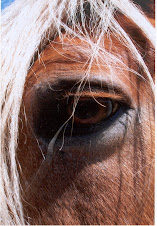
Rocky focuses his deep, brown eyes on me, as if to say, “Huh?”
So much for search and rescue.
My next book was “A Dog Named Slugger” by Leigh Brill. This is a personal account of the author’s journey with Slugger, her service dog. Brill has cerebral palsy and relies on Slugger to help her with balance, pick up dropped things, close or open doors, and keep her safe and secure in all situations. Who wouldn’t like to have a dog with that kind of training?
Even though I am not disabled, and don’t plan to become disabled, I’d love to have a dog with those talents.
“Rocky, bring me my socks. Whole, please.”
“Rocky, can you open the door for me.” (while I carry groceries in from the car).
“Rocky, is the person at the door friend or foe?”
There’s one problem. Slugger comes when called.
Perhaps Rocky could be a therapy dog, sitting quietly while small children read to him and elderly residents stroke his silky hair. He’d be like the therapy dog Pooka, whose picture has been in The County Journal, visiting local schools and libraries.
But, Pooka probably comes when called.
So for now, I remain by the woodstove, devouring books about well-behaved dogs doing great things, while Rocky dreams of running free and rolling in things that smell.
When the warm winds blow again, I’ll be ready.
Wednesday, January 26, 2011

Wednesday, January 12, 2011
Perfection
“I am learning that everything is perfect and to not be a perfectionist.” — From “Wokini” by Billy Mills
These words about perfectionism are good to remember when learning new things. On Saturday, I was at Pine Needles Yarn Shop in Cable for a Navaho Tapestry Weaving course taught by Laura Berlager.
Berlager began learning the method in 1998, when she was 13 years old. She is currently attending Goddard College in Vermont pursuing a masters in fine arts in interdisciplinary arts.
Our class began with receiving our portable looms, along with a shed stick and beater. Berlager made the looms and shed sticks and had a local craftsman make beautiful handcrafted beaters for each student.
Though I already own five different looms, I was happy to receive a new one for this new endeavor.
Next, we chose two colors of wool, one light and one dark, as well as a contrasting yarn for our edge work. I found a beautiful gold wool as my light yarn. I held it up to the other colors to find a dark yarn and my eye was drawn to a dark green. When I held the two together, I realized my woven project would resemble a Green Bay Packer’s theme. I let the gold go and substituted a lovely off-white heather. (Don’t get me wrong, I always cheer for the Packers, I just didn’t want to weave a jersey.)
We warped our looms with a continuous strand of cotton, chosen for its strength and ease of use. The sampler pattern began with an inch of plain weave, over and under. Berlager taught us how to incorporate the edge work twill into our woven edges. This process developed the first inch of our pattern.
I learned Navajo weaving is a long process. Each row needs to be tight so the warp yarn does not show through. This is where our beaters come in. Each woven row was beaten down with our lovely tool.
“Don’t be afraid to beat it like you mean it,” said Berlager. “Let it know who’s boss.”
We beat our yarns, not to be violent or cruel to them, but to create the proper tension.
“A loose weave will cause trouble as you get farther into your pattern,” said Berlager.
One woman lamented that she had made a mistake in her weaving.
“The Navajo have a story about that,” said Berlager, who is an accomplished story-teller as well as weaver.
“Spirit woman taught the Navajo people to weave,” she began. “One woman spent all the time she could at her loom and she was a perfectionist. She was about to finish the most perfect weaving she had made when she suddenly disappeared. The other women looked for her and could not find her. They called Spider Woman to help them find her. Spider Woman looked at the weaving, examining it closely, and pulled one strand out. The lady re-appeared.
“Let this be a lesson to all of you, she said. You must leave a doorway open in your weaving or you will weave your soul into your weaving. If you have a mistake here or there, don’t worry, you won’t get woven into your weaving.”
One in our group added, “I heard that the Amish have something similar. They always leave at least one mistake in their crafting because they say only God can be perfect.”
Whether you remember the Amish tradition or the Navajo legend, learning to not be a perfectionist, and being able to see the perfection of all things, is a good lesson. Having the patience to take your time and create a thing of beauty is a virtue. Causing stress to enter your life by demanding that it be perfect can take away the happiness generated from the creative process.
I’ve done a lot of knitting, weaving, and other fiber arts, and I’ve learned that a mistake can often lead to a new pattern, or an original design element in my work.
During our class, we talked about the many different reasons why people weave. Some weave to get the job done. Some weave because they like to socialize with other weavers. Some weavers may work on a project for five years or more, before completing it. Some may never complete their project. It doesn’t matter.
All are perfect, and each project is perfect, not because the result is perfect, but because of the lessons we learn and enjoyment we get from the process.
Winter is a good time for contemplative fiber work. The new exhibit at the Washburn Cultural Center is textile and fiber arts. I have several pieces in the exhibit including weaving, felting, knitting, spinning and quilting. Feel free to see if you can find the ‘doorway’ in any of my work.
May we all see the perfection of our lives.
These words about perfectionism are good to remember when learning new things. On Saturday, I was at Pine Needles Yarn Shop in Cable for a Navaho Tapestry Weaving course taught by Laura Berlager.
Berlager began learning the method in 1998, when she was 13 years old. She is currently attending Goddard College in Vermont pursuing a masters in fine arts in interdisciplinary arts.
Our class began with receiving our portable looms, along with a shed stick and beater. Berlager made the looms and shed sticks and had a local craftsman make beautiful handcrafted beaters for each student.
Though I already own five different looms, I was happy to receive a new one for this new endeavor.
Next, we chose two colors of wool, one light and one dark, as well as a contrasting yarn for our edge work. I found a beautiful gold wool as my light yarn. I held it up to the other colors to find a dark yarn and my eye was drawn to a dark green. When I held the two together, I realized my woven project would resemble a Green Bay Packer’s theme. I let the gold go and substituted a lovely off-white heather. (Don’t get me wrong, I always cheer for the Packers, I just didn’t want to weave a jersey.)
We warped our looms with a continuous strand of cotton, chosen for its strength and ease of use. The sampler pattern began with an inch of plain weave, over and under. Berlager taught us how to incorporate the edge work twill into our woven edges. This process developed the first inch of our pattern.
I learned Navajo weaving is a long process. Each row needs to be tight so the warp yarn does not show through. This is where our beaters come in. Each woven row was beaten down with our lovely tool.
“Don’t be afraid to beat it like you mean it,” said Berlager. “Let it know who’s boss.”
We beat our yarns, not to be violent or cruel to them, but to create the proper tension.
“A loose weave will cause trouble as you get farther into your pattern,” said Berlager.
One woman lamented that she had made a mistake in her weaving.
“The Navajo have a story about that,” said Berlager, who is an accomplished story-teller as well as weaver.
“Spirit woman taught the Navajo people to weave,” she began. “One woman spent all the time she could at her loom and she was a perfectionist. She was about to finish the most perfect weaving she had made when she suddenly disappeared. The other women looked for her and could not find her. They called Spider Woman to help them find her. Spider Woman looked at the weaving, examining it closely, and pulled one strand out. The lady re-appeared.
“Let this be a lesson to all of you, she said. You must leave a doorway open in your weaving or you will weave your soul into your weaving. If you have a mistake here or there, don’t worry, you won’t get woven into your weaving.”
One in our group added, “I heard that the Amish have something similar. They always leave at least one mistake in their crafting because they say only God can be perfect.”
Whether you remember the Amish tradition or the Navajo legend, learning to not be a perfectionist, and being able to see the perfection of all things, is a good lesson. Having the patience to take your time and create a thing of beauty is a virtue. Causing stress to enter your life by demanding that it be perfect can take away the happiness generated from the creative process.
I’ve done a lot of knitting, weaving, and other fiber arts, and I’ve learned that a mistake can often lead to a new pattern, or an original design element in my work.
During our class, we talked about the many different reasons why people weave. Some weave to get the job done. Some weave because they like to socialize with other weavers. Some weavers may work on a project for five years or more, before completing it. Some may never complete their project. It doesn’t matter.
All are perfect, and each project is perfect, not because the result is perfect, but because of the lessons we learn and enjoyment we get from the process.
Winter is a good time for contemplative fiber work. The new exhibit at the Washburn Cultural Center is textile and fiber arts. I have several pieces in the exhibit including weaving, felting, knitting, spinning and quilting. Feel free to see if you can find the ‘doorway’ in any of my work.
May we all see the perfection of our lives.
Wednesday, December 29, 2010
When a Wren is a polar bear
Being a grandmother has it’s moments. One of those came recently when my granddaughter Wren was scheduled to be in her first dance recital. Wren is officially three and 11/12 years old.
The holiday themed recital was scheduled for Sunday, Dec. 19. Since my family lives 250 miles away, we decided to bundle our Christmas gathering on the same weekend. My husband and I packed up the presents and dogs, Lisha and Rocky, for the five hour trip.
The presents went in the trunk, and the dogs got to lounge in the back seat. Lisha’s an old hand at travel but this was Rocky’s first road trip with us. He settled in after about 100 miles, using Paul’s coat as a pillow.
We arrived at Wren’s house just after supper on Friday night, with enough time to see Wren before she was bedded down for the night with visions of fairies dancing in her head. Saturday was her dress rehearsal and she needed a good night’s sleep.
On Saturday, her mother Sarah and I dressed Wren in her polar bear costume, white pants, white shirt, red scarf and white ears on her head band. A stop for last minute Christmas shopping included eating lunch at the food court of the mall. Several napkins as bibs were needed to keep a three and 11/12 year old from dripping pizza sauce on her white shirt.
Her shirt intact, we arrived at the auditorium for rehearsal. We sat waiting while several other dance classes rehearsed their numbers donned in reindeer costumes, pajamas and red dresses lined in white fur. I won’t go so far as to say it was pandemonium, but I’m glad I was not in charge of the scene.
“Unless something goes very wrong, we will only run through each number once,” said the woman in charge.
One participant in the Mommy and Me group was definitely not happy about being on a large stage in front of an equally large audience of children and parents. Her meltdown left me somewhere between feeling bad for her and laughter. Several children abandoned their designated stars on the floor to wave and run to their mothers. The children craned their heads to focus on their coaches who stood in the wings demonstrating the next move.
Then it was time for Wren’s group to rehearse. The teacher lined up the little ones and led them onto the stage. What a delightful sight to see 10 three-year-olds dressed as polar bears march onto the stage single file and land on their stars. Everything was going well until the unthinkable happened.
Wren found a blue feather on the stage floor.
Wren loves feathers, crystals, and anything that reminds her of nature. We think she may be a budding naturalist by the way she likes to kiss dead crickets, and carry frogs around in her hands. Seeing a feather on the floor was too good to resist.
Wren picked up the feather and her attention was glued. She stared at the feather, reveling in it’s delicate details. She stroked the feather and waved it in the air. She danced with the feather. She blessed the other students with the feather.
She did not do her polar bear dance.
I’ll never know if it was the feather or something else in the air, but all of the polar bears seemed to lose all sense of their dance moves. When the run through was finished, the teacher announced, “This is an example of when everything goes wrong. Let’s try it again.”
With feather still in hand, Wren and her troupe got another shot at their number, showing improvement. Afterwards, we paised Wren for a beautiful dance and took her and her feather back to the car. I sat next to Wren and she turned to me and offered me the feather.
“I got this just for you,” she said.
So, the whole thing is now grandma’s fault.
Saturday night was our family Christmas gathering. I had made quilts as gifts for the members of my family, including a special one for Wren. Wren opened her package and pulled out her quilt with an excited exclamation, “Home Sweet Home!” And so, each person’s quilt was named as a Home Sweet Home quilt. I have no idea how Wren came up with the name, but it set the tone for the rest of the evening.
And, I guess Wren had a good night’s sleep with her Home Sweet Home quilt because her recital on Sunday went well. Luckily, the stage floor was swept and no feathers were found. Wren did her dance as well as any three and 11/12 year old polar bear could. We presented her with roses afterwards, like a true prima-ballerina.
Though her mother had sworn this was her last dance class, the next day she said, “Her next recital will be in May.”
By then she’ll be four and one-third years old, and hopefully there won’t be any feathers on the stage.
The holiday themed recital was scheduled for Sunday, Dec. 19. Since my family lives 250 miles away, we decided to bundle our Christmas gathering on the same weekend. My husband and I packed up the presents and dogs, Lisha and Rocky, for the five hour trip.
The presents went in the trunk, and the dogs got to lounge in the back seat. Lisha’s an old hand at travel but this was Rocky’s first road trip with us. He settled in after about 100 miles, using Paul’s coat as a pillow.
We arrived at Wren’s house just after supper on Friday night, with enough time to see Wren before she was bedded down for the night with visions of fairies dancing in her head. Saturday was her dress rehearsal and she needed a good night’s sleep.
On Saturday, her mother Sarah and I dressed Wren in her polar bear costume, white pants, white shirt, red scarf and white ears on her head band. A stop for last minute Christmas shopping included eating lunch at the food court of the mall. Several napkins as bibs were needed to keep a three and 11/12 year old from dripping pizza sauce on her white shirt.
Her shirt intact, we arrived at the auditorium for rehearsal. We sat waiting while several other dance classes rehearsed their numbers donned in reindeer costumes, pajamas and red dresses lined in white fur. I won’t go so far as to say it was pandemonium, but I’m glad I was not in charge of the scene.
“Unless something goes very wrong, we will only run through each number once,” said the woman in charge.
One participant in the Mommy and Me group was definitely not happy about being on a large stage in front of an equally large audience of children and parents. Her meltdown left me somewhere between feeling bad for her and laughter. Several children abandoned their designated stars on the floor to wave and run to their mothers. The children craned their heads to focus on their coaches who stood in the wings demonstrating the next move.
Then it was time for Wren’s group to rehearse. The teacher lined up the little ones and led them onto the stage. What a delightful sight to see 10 three-year-olds dressed as polar bears march onto the stage single file and land on their stars. Everything was going well until the unthinkable happened.
Wren found a blue feather on the stage floor.
Wren loves feathers, crystals, and anything that reminds her of nature. We think she may be a budding naturalist by the way she likes to kiss dead crickets, and carry frogs around in her hands. Seeing a feather on the floor was too good to resist.
Wren picked up the feather and her attention was glued. She stared at the feather, reveling in it’s delicate details. She stroked the feather and waved it in the air. She danced with the feather. She blessed the other students with the feather.
She did not do her polar bear dance.
I’ll never know if it was the feather or something else in the air, but all of the polar bears seemed to lose all sense of their dance moves. When the run through was finished, the teacher announced, “This is an example of when everything goes wrong. Let’s try it again.”
With feather still in hand, Wren and her troupe got another shot at their number, showing improvement. Afterwards, we paised Wren for a beautiful dance and took her and her feather back to the car. I sat next to Wren and she turned to me and offered me the feather.
“I got this just for you,” she said.
So, the whole thing is now grandma’s fault.
Saturday night was our family Christmas gathering. I had made quilts as gifts for the members of my family, including a special one for Wren. Wren opened her package and pulled out her quilt with an excited exclamation, “Home Sweet Home!” And so, each person’s quilt was named as a Home Sweet Home quilt. I have no idea how Wren came up with the name, but it set the tone for the rest of the evening.
And, I guess Wren had a good night’s sleep with her Home Sweet Home quilt because her recital on Sunday went well. Luckily, the stage floor was swept and no feathers were found. Wren did her dance as well as any three and 11/12 year old polar bear could. We presented her with roses afterwards, like a true prima-ballerina.
Though her mother had sworn this was her last dance class, the next day she said, “Her next recital will be in May.”
By then she’ll be four and one-third years old, and hopefully there won’t be any feathers on the stage.
Wednesday, December 15, 2010
A dance of trust
Raising a dog is like raising a child. There is the instant love when parent and child have their first moments together. There is the time of nurturing, when the child is dependent on the parent. As the child begins to grow and explore, there is the time of anxiety for the parent. How do I keep my child safe yet allow for learning experiences and exploration.
Even though I got Rocky when he was almost two years old, there was still the instant love moment when I looked through the bars of his kennel and saw his eyes. There was the time of nurturing when I first brought him home, showing him his new place, his food and where to sleep.
Now I’m in the dance of trust, finding the balance between freedom and safety.
I’ll say it again, Rocky is a wonderful dog. And, he still has not learned that coming when called needs to be an instant thing. Because of that, his walk time and potty time are spent on a leash.
I’m getting to know his umwelt includes a need for freedom to run. I know when he’s feeling that need. He gets a look in his eye, a tension in his body, and for a brief moment there is a hesitation. He may look my way as if to say, “I know you don’t want me to, but I really have to go now. Trust me.” Then he’s off.
Like the parent, I know I cannot keep him leashed his entire life. There comes a time when each of us needs to feel the freedom to be our true selves. I can only give Rocky that time if I find a place of trust within myself.
I know he always comes home. He’s usually gone for about 20 minutes, then comes running back from the opposite direction. His smile melts my heart.
I decided control was futile and went for a ‘supervised liberty run’ approach. Fortunately, I live in the country where room to run is available on three sides. The fourth side is a road and across the road are the neighbors. My approach is to keep Rocky’s supervised liberty runs in the three wild areas.
I thought about boundaries. I realize that our farm ends at the tree line, but Rocky doesn’t understand that boundary. He seems to have a different idea of the limitations of liberty. His boundary reaches into the woods, down the ravine and across the creek, then back to the farm via the horse pasture behind the barn.
We start on leash, walking in the direction I choose, away from the road. When we reach the middle of the field, I bring Rocky in, give him praise and a treat, then unhook the leash. Rocky smiles and bounds off a few feet, jumping straight in the air, chasing his friend Lisha, sniffing the ground, until he gets the look.
This is where the trust comes in. I watch him take off, snow flying behind him as his paws hit the ground. Watching Rocky run is like watching the changing face of wind. At times he will run unhampered, like a straight line wind, powerful and unyielding. The next moment, he stops, nose to the ground, circling like a dust devil. When he finds the perfect smell, the wind ceases, like the eye of the storm. When the eye passes, he’s off again.
He heads for his favorite spots and veers off into the woods, out of my sight. I resist the urge to call him back, knowing he won’t respond. I wait a few moments, then begin to walk a diagonal line through the field to intersect his circular route.
Lisha stays by me, occasionally looking into the woods as if she can hear Rocky run. We stand quietly, listening for the jingle of his dog tags. The jingle gets louder and soon Rocky breaks through the brush, still nose down, his tongue swaying with each breath. When he gets close, I begin to communicate again.
“Good dog, Rocky. Thanks for coming back.”
He looks at me and sometimes comes to me for the treat in my hand, sometimes it takes a few tries before I’m able to get the leash back on. And, even then, his joy in the experience of the run is contagious.
“Thanks,” he says. “I needed that.”
Like the parent, I’m learning if you really love them, you have to let them go. If you’ve done your job well, they’ll come back.
There’s something about watching a dog run that stirs the love of freedom in people. How often do we get the chance to run free, unfettered by boundaries or time, only concerned with what is in front of our noses? Do we ever trust ourselves enough to remove the leash of expectations and responsibilities?
Rocky is getting better. It takes him longer to get the look now and he’s developing a consistent route so I feel like I know where he is, even though I can’t see him. I’m hoping he will realize there is a time to run, and a time to stay by your people.
It’s a dance of trust for us both.
Even though I got Rocky when he was almost two years old, there was still the instant love moment when I looked through the bars of his kennel and saw his eyes. There was the time of nurturing when I first brought him home, showing him his new place, his food and where to sleep.
Now I’m in the dance of trust, finding the balance between freedom and safety.
I’ll say it again, Rocky is a wonderful dog. And, he still has not learned that coming when called needs to be an instant thing. Because of that, his walk time and potty time are spent on a leash.
I’m getting to know his umwelt includes a need for freedom to run. I know when he’s feeling that need. He gets a look in his eye, a tension in his body, and for a brief moment there is a hesitation. He may look my way as if to say, “I know you don’t want me to, but I really have to go now. Trust me.” Then he’s off.
Like the parent, I know I cannot keep him leashed his entire life. There comes a time when each of us needs to feel the freedom to be our true selves. I can only give Rocky that time if I find a place of trust within myself.
I know he always comes home. He’s usually gone for about 20 minutes, then comes running back from the opposite direction. His smile melts my heart.
I decided control was futile and went for a ‘supervised liberty run’ approach. Fortunately, I live in the country where room to run is available on three sides. The fourth side is a road and across the road are the neighbors. My approach is to keep Rocky’s supervised liberty runs in the three wild areas.
I thought about boundaries. I realize that our farm ends at the tree line, but Rocky doesn’t understand that boundary. He seems to have a different idea of the limitations of liberty. His boundary reaches into the woods, down the ravine and across the creek, then back to the farm via the horse pasture behind the barn.
We start on leash, walking in the direction I choose, away from the road. When we reach the middle of the field, I bring Rocky in, give him praise and a treat, then unhook the leash. Rocky smiles and bounds off a few feet, jumping straight in the air, chasing his friend Lisha, sniffing the ground, until he gets the look.
This is where the trust comes in. I watch him take off, snow flying behind him as his paws hit the ground. Watching Rocky run is like watching the changing face of wind. At times he will run unhampered, like a straight line wind, powerful and unyielding. The next moment, he stops, nose to the ground, circling like a dust devil. When he finds the perfect smell, the wind ceases, like the eye of the storm. When the eye passes, he’s off again.
He heads for his favorite spots and veers off into the woods, out of my sight. I resist the urge to call him back, knowing he won’t respond. I wait a few moments, then begin to walk a diagonal line through the field to intersect his circular route.
Lisha stays by me, occasionally looking into the woods as if she can hear Rocky run. We stand quietly, listening for the jingle of his dog tags. The jingle gets louder and soon Rocky breaks through the brush, still nose down, his tongue swaying with each breath. When he gets close, I begin to communicate again.
“Good dog, Rocky. Thanks for coming back.”
He looks at me and sometimes comes to me for the treat in my hand, sometimes it takes a few tries before I’m able to get the leash back on. And, even then, his joy in the experience of the run is contagious.
“Thanks,” he says. “I needed that.”
Like the parent, I’m learning if you really love them, you have to let them go. If you’ve done your job well, they’ll come back.
There’s something about watching a dog run that stirs the love of freedom in people. How often do we get the chance to run free, unfettered by boundaries or time, only concerned with what is in front of our noses? Do we ever trust ourselves enough to remove the leash of expectations and responsibilities?
Rocky is getting better. It takes him longer to get the look now and he’s developing a consistent route so I feel like I know where he is, even though I can’t see him. I’m hoping he will realize there is a time to run, and a time to stay by your people.
It’s a dance of trust for us both.
Wednesday, December 1, 2010
When are your holidays?
As a newspaper reporter, I’ve been doing a series of stories about depression. I was reviewing a list of suggestions for getting through the holidays and came upon this line - Know when your holidays are.
Most of us would say the upcoming holidays are Christmas eve, Christmas day, New Year’s Eve and New Year’s Day. These are the most common times for family and friends to get together to celebrate ‘the holidays,’ depending on your personal spiritual beliefs.
When I read this line I realized it isn’t only the official day that can be a challenge.
For example, Christmas isn’t only Dec. 25. Christmas for some people has been going on for over a month already. Shopping for gifts, menu planning, traveling and decorating are also part of the holiday. For someone dealing with holiday depression, coping with shopping for gifts may be worse than the actual day with family.
What traditions do you have that give you a feeling of Christmas? Is it going to pick out a tree, or the first snowfall? If you used to do these activities with the loved one who is no longer present, how will it feel this year? What strategies can you put in place to deal with the feelings of loss or grief that may come up when you pass a Christmas tree lot?
A friend of mine told of breaking into tears whenever she passes her grandparent’s house this time of year. They’ve been gone for several years, but the memories of Christmas at grandma’s house are still vivid for her.
Personally, I think of Christmas whenever I pass an airport at night. When my niece was small, we would intentionally drive by the airport on Christmas eve so we could show her lights in the sky. She believed it was Santa Claus bringing his sleigh full of presents.
Another friend mentioned bringing out the Christmas music and thinking of special people associated with a particular song.
How about going through your list of people to send cards to? Will there be a hole left in your address book?
For someone dealing with depression, driving down the street at night and seeing houses lit up with colorful lights can be a trigger – knowing everyone else is celebrating and filled with the holiday spirit, while they can’t seem to bring themselves out of the dumps.
Know when you holidays are.
It’s not only good advice for those who need coping strategies. It can be good advice for those of us who are looking forward to the joy of the season.
Seeing a shopping adventure with your children as a holiday celebration in itself can make a difference in your experience. Instead of getting frustrated with the long lines and heavy traffic, we can remember to appreciate the experience as a Christmas memory to cherish when the children are grown.
Taking time to add a special note inside someone’s Christmas card could make their holiday and yours a little brighter. I’ve learned that people dealing with depression can be very good at hiding their symptoms. We may not know how important a smile or a card can be to someone this time of year.
Another suggestion was being intentional about holiday plans. What holiday traditions do you really enjoy, and what traditions are being done out of habit or obligation? If going to Aunt Mabel’s house for figgy pudding is something you enjoy, great. If it’s something you feel forced into, perhaps opening a conversation about alternatives could lead to a less stressful holiday. Wouldn’t it be good to know if Aunt Mabel doesn’t even like making figgy pudding, but she feels she has to keep up the ‘tradition’?
Knowing when your holidays are can bring an awareness to the magic in the small moments like hearing the ting of coins being dropped into the Salvation Army kettles, feeling the freshness of snow flakes melting on your cheek, or smelling the scent of balsam as you pass by the wreath on your door.
Adding celebration to these small moments, and seeing them as part of your holiday, can relieve stress and help us all remember why we celebrate this time of year.
Happy holidays.
Most of us would say the upcoming holidays are Christmas eve, Christmas day, New Year’s Eve and New Year’s Day. These are the most common times for family and friends to get together to celebrate ‘the holidays,’ depending on your personal spiritual beliefs.
When I read this line I realized it isn’t only the official day that can be a challenge.
For example, Christmas isn’t only Dec. 25. Christmas for some people has been going on for over a month already. Shopping for gifts, menu planning, traveling and decorating are also part of the holiday. For someone dealing with holiday depression, coping with shopping for gifts may be worse than the actual day with family.
What traditions do you have that give you a feeling of Christmas? Is it going to pick out a tree, or the first snowfall? If you used to do these activities with the loved one who is no longer present, how will it feel this year? What strategies can you put in place to deal with the feelings of loss or grief that may come up when you pass a Christmas tree lot?
A friend of mine told of breaking into tears whenever she passes her grandparent’s house this time of year. They’ve been gone for several years, but the memories of Christmas at grandma’s house are still vivid for her.
Personally, I think of Christmas whenever I pass an airport at night. When my niece was small, we would intentionally drive by the airport on Christmas eve so we could show her lights in the sky. She believed it was Santa Claus bringing his sleigh full of presents.
Another friend mentioned bringing out the Christmas music and thinking of special people associated with a particular song.
How about going through your list of people to send cards to? Will there be a hole left in your address book?
For someone dealing with depression, driving down the street at night and seeing houses lit up with colorful lights can be a trigger – knowing everyone else is celebrating and filled with the holiday spirit, while they can’t seem to bring themselves out of the dumps.
Know when you holidays are.
It’s not only good advice for those who need coping strategies. It can be good advice for those of us who are looking forward to the joy of the season.
Seeing a shopping adventure with your children as a holiday celebration in itself can make a difference in your experience. Instead of getting frustrated with the long lines and heavy traffic, we can remember to appreciate the experience as a Christmas memory to cherish when the children are grown.
Taking time to add a special note inside someone’s Christmas card could make their holiday and yours a little brighter. I’ve learned that people dealing with depression can be very good at hiding their symptoms. We may not know how important a smile or a card can be to someone this time of year.
Another suggestion was being intentional about holiday plans. What holiday traditions do you really enjoy, and what traditions are being done out of habit or obligation? If going to Aunt Mabel’s house for figgy pudding is something you enjoy, great. If it’s something you feel forced into, perhaps opening a conversation about alternatives could lead to a less stressful holiday. Wouldn’t it be good to know if Aunt Mabel doesn’t even like making figgy pudding, but she feels she has to keep up the ‘tradition’?
Knowing when your holidays are can bring an awareness to the magic in the small moments like hearing the ting of coins being dropped into the Salvation Army kettles, feeling the freshness of snow flakes melting on your cheek, or smelling the scent of balsam as you pass by the wreath on your door.
Adding celebration to these small moments, and seeing them as part of your holiday, can relieve stress and help us all remember why we celebrate this time of year.
Happy holidays.
Wednesday, November 17, 2010
First snowfall
The first snowfall is usually an exciting time, which proved to be the case this year. My sister Linda drove up from her home in Iowa to visit for the weekend. Luckily, she came on Friday, before the first snowfall hit. She commented about driving through cold rain in the southern part of Wisconsin. Sometimes the rain was heavy and almost solid. When she arrived in Washburn, it was a normal fall day, slightly cold and overcast.
“We’re supposed to get snow this weekend, probably starting tonight or tomorrow,” commented my husband, Paul.
“It seems to be all south of here,” said my sister. “Maybe it won’t come this far.”
Saturday morning we awoke to wind and slight snow. We sat at breakfast and planned our day. We would go into Ashland and have gyros for lunch then stop in Washburn at the used bookstore. These two activities are staples for any visit. The gyros from the Pita Hut in Ashland are “to die for,” and a trip to Chequamegon Books is a feast as well. We also planned to have squash and meatloaf for supper and needed to stop at a grocery store for ketchup, a required meatloaf ingredient.
We began the day in my Bear Den, a small cabin my husband built with a woodstove inside. I was working on a quilting project, while Linda made clay rattles and Paul rested with a book. The snow got heavier, the wind picked up and the ground began to turn white. We were snug and warm in the Bear Den, enjoying the wintery scene out the window.
At lunch time, we piled into my sister’s truck, which has four-wheel drive. We were sure we wouldn’t need it,after all, it was only the first snowfall. But it’s good to be prepared, right? We set off down the snow-covered road towards our “to die for” gyros.The snow sloshed beneath the tires, sending wet waves across the road.
“It’s kind of slippery,” commented Linda.
We approached a left hand turn and the truck began to slide when Linda put the brakes on to slow down.
“You may want to go straight,” said Paul.
Linda straightened the wheel and we slid to a stop past the intersection. She backed up and we slowly maneuvered the turn.
“It feels like grease,” she said, trying to keep the truck on the road.
“Why are we doing this?” I asked.
“We’re getting gyros for lunch and we need ketchup for the meatloaf.”
“Are they worth it?”
We all looked at each other. This is the point where I remember all of the times I have driven in snow and did just fine. I also remember all of the cars I drove by in the ditches and the time I was one of them. I decided the gyros were really good, but probably not literally “to die for.”
We decided to turn back.
“What about the ketchup?”
I had tomato paste, tomato soup and tomato sauce, but no ketchup. The family meatloaf recipe includes hamburger, eggs, chopped onion, oatmeal, mustard and ketchup. Ketchup is not only an ingredient, it is a topping, and a dipping sauce on the side. You can’t make meatloaf without ketchup, can you?
Our first snowfall of the year turned out to be the mother of invention. We drove around the block toward home and passed a car resting in the ditch after it took out a mailbox. We arrived home safely and had leftovers for lunch. Then we brainstormed about the meatloaf. We had just enough ketchup left to be the topping and the dipping sauce. The tomato paste, soup and sauce were discarded in favor of stewed tomatoes as the ingredient.
The storm raged on and branches fell from the trees due to the heavy snow load. My horses were nestled snuggly in their stalls munching on hay and we sat at the dining room table munching on the best meatloaf we ever cooked.
Turns out that stewed tomatoes make a meatloaf that is flavorful and moist. Add baked squash, au gratin potatoes and corn, and we had a meal worthy of the first snowfall.
Being stuck at home in a snowstorm isn’t too bad when you have a stocked larder, two good cooks, and a Bear Den.
“We’re supposed to get snow this weekend, probably starting tonight or tomorrow,” commented my husband, Paul.
“It seems to be all south of here,” said my sister. “Maybe it won’t come this far.”
Saturday morning we awoke to wind and slight snow. We sat at breakfast and planned our day. We would go into Ashland and have gyros for lunch then stop in Washburn at the used bookstore. These two activities are staples for any visit. The gyros from the Pita Hut in Ashland are “to die for,” and a trip to Chequamegon Books is a feast as well. We also planned to have squash and meatloaf for supper and needed to stop at a grocery store for ketchup, a required meatloaf ingredient.
We began the day in my Bear Den, a small cabin my husband built with a woodstove inside. I was working on a quilting project, while Linda made clay rattles and Paul rested with a book. The snow got heavier, the wind picked up and the ground began to turn white. We were snug and warm in the Bear Den, enjoying the wintery scene out the window.
At lunch time, we piled into my sister’s truck, which has four-wheel drive. We were sure we wouldn’t need it,after all, it was only the first snowfall. But it’s good to be prepared, right? We set off down the snow-covered road towards our “to die for” gyros.The snow sloshed beneath the tires, sending wet waves across the road.
“It’s kind of slippery,” commented Linda.
We approached a left hand turn and the truck began to slide when Linda put the brakes on to slow down.
“You may want to go straight,” said Paul.
Linda straightened the wheel and we slid to a stop past the intersection. She backed up and we slowly maneuvered the turn.
“It feels like grease,” she said, trying to keep the truck on the road.
“Why are we doing this?” I asked.
“We’re getting gyros for lunch and we need ketchup for the meatloaf.”
“Are they worth it?”
We all looked at each other. This is the point where I remember all of the times I have driven in snow and did just fine. I also remember all of the cars I drove by in the ditches and the time I was one of them. I decided the gyros were really good, but probably not literally “to die for.”
We decided to turn back.
“What about the ketchup?”
I had tomato paste, tomato soup and tomato sauce, but no ketchup. The family meatloaf recipe includes hamburger, eggs, chopped onion, oatmeal, mustard and ketchup. Ketchup is not only an ingredient, it is a topping, and a dipping sauce on the side. You can’t make meatloaf without ketchup, can you?
Our first snowfall of the year turned out to be the mother of invention. We drove around the block toward home and passed a car resting in the ditch after it took out a mailbox. We arrived home safely and had leftovers for lunch. Then we brainstormed about the meatloaf. We had just enough ketchup left to be the topping and the dipping sauce. The tomato paste, soup and sauce were discarded in favor of stewed tomatoes as the ingredient.
The storm raged on and branches fell from the trees due to the heavy snow load. My horses were nestled snuggly in their stalls munching on hay and we sat at the dining room table munching on the best meatloaf we ever cooked.
Turns out that stewed tomatoes make a meatloaf that is flavorful and moist. Add baked squash, au gratin potatoes and corn, and we had a meal worthy of the first snowfall.
Being stuck at home in a snowstorm isn’t too bad when you have a stocked larder, two good cooks, and a Bear Den.
Wednesday, November 3, 2010
Revisiting old ghosts
Last week I wrote a story about a presentation at the Washburn Public Library called Wisconsin Ghosts and the Afterlife by Terry Fisk, a paranormal investigator. While I was working on the story, I visited Fisk’s website and saw that his company was sponsoring the Unexplained Conference in Eau Claire the next weekend.
I love a good ghost story as much as anyone and, with Halloween coming up, it seemed like a good adventure to attend the conference. I called my sister, who lives in Iowa, and suggested we meet there and have a Sister’s Halloween Adventure.
Both my sister and I are familiar with spirits, having grown up in a house that featured a resident ghost. Our family has favorite stories about this spectre, like the time he tapped me on the back in the middle of the night, and the many times my mother would awaken in the night and see him staring at her from the foot of her bed.
When my sister mentioned to her partner that she was going to attend the conference with me, he said, “Oh, maybe you can find out about the ghost who likes to watch us sleep everynight.”
So my sister and I got a room at the Plaza Hotel and eagerly joined the crowd for an evening’s entertainment.
The first presenter had written several books about werewolves. Her talk included stories she has collected from people who say they have had encounters with werewolves. She showed sketches of these creatures and pictures of the places where the sightings occurred. However, there were no actual photos of werewolves.
Here’s the thing. I would think that in this age, with people carrying cell phones everywhere, and hand-held digital devices, someone would have the opportunity to snap a photo of a werewolf, or even post a YouTube of their encounter with one. As my sister pointed out, “Anyone can draw a picture of a werewolf and they all look alike. That’s because everyone knows what a werewolf is supposed to look like.” Good point.
It was a fun presentation, but I’m not convinced about the validity of actual living werewolves.
The next presentor talked about re-incarnation. The speaker’s evidence stemmed from studies done with small children who tell stories of their past lives. Some children can describe where they lived, who their parents were, etc. Researchers have recorded these stories, gone to the locations described by the child, and found physical evidence to conclude what the child says is true. The theory is that when we are children, we still remember these past lives. As we get older and more conditioned, we begin to lose those memories.
Here was physical evidence suggesting that re-incarnation is possible. Did the presentor prove that re-incarnation exists? Not really, but he gave a fairly convincing presentation.
The other presentations were about various hauntings, Big Foot sightings, UFOs, and other unexplained occurrences. Are there big foot creatures in the Chequamegon Forest? There are multiple stories of sightings. Again, no photos other than vague shadows or something hairy from a distance. One photo depicting a close-up view of a Big Foot on someone’s critter-camera looked like a neighbor in a gorilla suit.
The next day we went to a Healing and Psychic Fair. There were presentors on past life experiences, spiritual healing and accessing different dimensions of reality. Vendors featured everything from aromatherapy and healing crystals to dowsing and quantum jumping.
Where any of them able to provide absolute proof of the validity of their craft? No.
But, here’s the interesting question. Can I, or anyone else, provide absolute proof that there is no validity to these occurrences? No.
We are left with a conundrum of polarities. No one can prove they exist and no one can prove they do not. There are heated debates on each side. Religious beliefs come into play. It all boils down to what you choose to believe. If one of these therapies helps someone feel better or live a better life, is that a bad thing? I don’t think so.
We know the mind is a powerful thing. We also know that we don’t know everything about the universe we live in, how it works, and all of the different elements that live in it with us.
There is one thing I know for certain after having this experience. Going on a road trip, spending time with my sister and having fun is something I can prove beyond a shadow of a doubt. I don’t need pictures, or scientific evidence. We had a went shopping, experienced new things, and got to spend some quality time together reminiscing about our own paranormal childhood. We met some interesting people, had some laughs, and maybe even expanded our concept of reality a little.
A weekend well spent.
I love a good ghost story as much as anyone and, with Halloween coming up, it seemed like a good adventure to attend the conference. I called my sister, who lives in Iowa, and suggested we meet there and have a Sister’s Halloween Adventure.
Both my sister and I are familiar with spirits, having grown up in a house that featured a resident ghost. Our family has favorite stories about this spectre, like the time he tapped me on the back in the middle of the night, and the many times my mother would awaken in the night and see him staring at her from the foot of her bed.
When my sister mentioned to her partner that she was going to attend the conference with me, he said, “Oh, maybe you can find out about the ghost who likes to watch us sleep everynight.”
So my sister and I got a room at the Plaza Hotel and eagerly joined the crowd for an evening’s entertainment.
The first presenter had written several books about werewolves. Her talk included stories she has collected from people who say they have had encounters with werewolves. She showed sketches of these creatures and pictures of the places where the sightings occurred. However, there were no actual photos of werewolves.
Here’s the thing. I would think that in this age, with people carrying cell phones everywhere, and hand-held digital devices, someone would have the opportunity to snap a photo of a werewolf, or even post a YouTube of their encounter with one. As my sister pointed out, “Anyone can draw a picture of a werewolf and they all look alike. That’s because everyone knows what a werewolf is supposed to look like.” Good point.
It was a fun presentation, but I’m not convinced about the validity of actual living werewolves.
The next presentor talked about re-incarnation. The speaker’s evidence stemmed from studies done with small children who tell stories of their past lives. Some children can describe where they lived, who their parents were, etc. Researchers have recorded these stories, gone to the locations described by the child, and found physical evidence to conclude what the child says is true. The theory is that when we are children, we still remember these past lives. As we get older and more conditioned, we begin to lose those memories.
Here was physical evidence suggesting that re-incarnation is possible. Did the presentor prove that re-incarnation exists? Not really, but he gave a fairly convincing presentation.
The other presentations were about various hauntings, Big Foot sightings, UFOs, and other unexplained occurrences. Are there big foot creatures in the Chequamegon Forest? There are multiple stories of sightings. Again, no photos other than vague shadows or something hairy from a distance. One photo depicting a close-up view of a Big Foot on someone’s critter-camera looked like a neighbor in a gorilla suit.
The next day we went to a Healing and Psychic Fair. There were presentors on past life experiences, spiritual healing and accessing different dimensions of reality. Vendors featured everything from aromatherapy and healing crystals to dowsing and quantum jumping.
Where any of them able to provide absolute proof of the validity of their craft? No.
But, here’s the interesting question. Can I, or anyone else, provide absolute proof that there is no validity to these occurrences? No.
We are left with a conundrum of polarities. No one can prove they exist and no one can prove they do not. There are heated debates on each side. Religious beliefs come into play. It all boils down to what you choose to believe. If one of these therapies helps someone feel better or live a better life, is that a bad thing? I don’t think so.
We know the mind is a powerful thing. We also know that we don’t know everything about the universe we live in, how it works, and all of the different elements that live in it with us.
There is one thing I know for certain after having this experience. Going on a road trip, spending time with my sister and having fun is something I can prove beyond a shadow of a doubt. I don’t need pictures, or scientific evidence. We had a went shopping, experienced new things, and got to spend some quality time together reminiscing about our own paranormal childhood. We met some interesting people, had some laughs, and maybe even expanded our concept of reality a little.
A weekend well spent.
Subscribe to:
Posts (Atom)


 Posts
Posts

